sábado, 18 de maio de 2013

Cattle temperament, immunity and performance


Flighty cattle are difficult and sometimes dangerous to handle, and according to a report from USDA and university researchers, they could be better at concealing disease. According to a recent article in Agricultural Researchmagazine, from USDA’s Agricultural Research Service, reducing adverse consequences of stressful incidents and identifying animals that may react differently to stressors may benefit cattle’s growth and health.
The research team from the ARS Livestock Issues Research Unit in Lubbock, Texas, Mississippi State University and Texas AgriLife Research is studying interrelationships between stress and cattle temperament with transportation, immune challenges, and production traits. Their results so far indicate temperament plays a role in how cattle respond to those stressors.
Cattle
The team tested Brahman calves shortly after weaning, when stress levels associated with weaning and transport typically are high. They first rated calves for temperament based on exit velocity from the chute, a method that objectively measures an animal’s fear or excitement by the speed at which it leaves the chute. They also used pen scoring, a more subjective method for grading cattle response to human presence in a pen setting. The researchers averaged exit velocity and pen scores to arrive at temperament categories including most calm, intermediate, and most temperamental.

The researchers then transported the calves 478 miles from Overton to Lubbock. After the trip, they drew blood samples and measured body temperatures before, during, and after administration of an endotoxin to simulate illness. Results showed that the endotoxin increased body temperature and induced secretion of epinephrine and cortisol, hormones associated with coping with stress. Visible signs of illness varied, however. The researchers observed and scored sickness behavior, and according to ARS animal scientist Jeff Carroll, the animals previously rated as calm showed noticeably greater signs of sickness, while the more temperamental animals continued to act high-strung and flighty. In a feedyard setting, animals that conceal signs of morbidity are less likely to receive treatment early, when it is most effective.
The researchers suggest producers can use temperament scoring to select calmer bulls for breeding less temperamental cattle and use pen scoring for replacement females to eliminate the more temperamental cows. “I’m not suggesting selecting for the calmest cattle,” says Texas A&M animal physiologist Ron Randel, “I’m suggesting that producers eliminate animals that are most temperamental to improve herd health and productivity, ensure animal welfare, and to protect animal and worker safety.

USDA'S novel cell line identifies all FMD virus serotypes

 USDA
WASHINGTON—U.S. Department of Agriculture (USDA) scientists have developed a new cell line that rapidly and accurately detects foot-and-mouth disease virus (FMDV), which causes a highly contagious and economically devastating disease in cattle and other cloven-hoofed animals.
The cell line was created by Agricultural Research Service(ARS) scientists at the Plum Island Animal Disease Center, Orient Point, N.Y. ARS is USDA's chief intramural scientific research agency. The research, published online in the Journal of Clinical Microbiology, supports the USDA priority of promoting international food security.
"This important breakthrough is an example of how ARS scientists are working to improve agricultural productivity in the face of increasing demand for food," said ARS Administrator Edward B. Knipling. "This new cell line will help in the global effort to control a disease that can cause significant economic losses."
"The new cells detect the FMD virus in field samples that come directly from naturally infected animals faster than existing cell lines currently used for diagnostics," said Luis Rodriguez, research leader at Plum Island's Foreign Animal Disease Research Unit (FADRU). "The new cells are the first permanent cell line capable of identifying all seven serotypes of FMD virus."
The United States has not had an FMD outbreak in more than 80 years. However, the disease is still a serious threat and is considered to be the most economically devastating livestock disease worldwide. Outbreaks in other countries have resulted in the slaughter of millions of animals to prevent the disease from spreading.
Being able to rapidly detect the virus during outbreaks would allow researchers to quickly develop the appropriate vaccine among the seven serotypes and dozens of subtypes, thereby saving valuable time and millions of dollars.
The novel cell line stems from earlier research where FADRU scientist Hernando Duque isolated a primary cell receptor, called alpha v beta 6, which allows FMD virus to attach to and enter the animal's cells and replicate, Rodriguez said. Molecular biologist Michael LaRocco was a member of the team, led by former ARS scientist Barry Baxt, which created the new cell line.
The approach used to make the new cell line consisted of cloning the FMD receptor genes from bovine (cattle) tissue and incorporating them into a cell line previously established at Plum Island, and then comparing them to other cells currently used in diagnosing and studying FMD.

sexta-feira, 17 de maio de 2013

Dialing back on the drivers of global disease outbreaks: A look inside the ‘black box’


Pathogen flow at the wildlife–livestock–human interface

    As published in PNAS 2013: 1208059110v1-201208059. Zoonosis emergence linked to agricultural intensification and environmental change, by Delia Grace and others, May 2013.
By Michelle Geis
A new report on the ‘causes of causes’ of H7N9 and other diseases that are emerging in animals and jumping species—into people
    The deadly H7N9 bird flu virus in China and the spread of a SARS-like coronavirus in the Middle East continue to make headlines. H7N9 has killed 35 people  in China and 20 have lost their lives to the novel coronavirus—which has spread from Saudi Arabia to the UK, France and Germany.
   
 Two opinion editorials in the New York Times last week, The next contagion: Closer than you think and The next pandemic: Not if, but when, correctly warn us about the potential global spread of these killer diseases. They call for more awareness of the dangers of zoonotic (animal-to-people) diseases, faster identification of animal sources of the pathogens and better vaccines to protect us against them. All of those are indeed needed.
   
    But like much of the mainstream press, neither article mentions the root cause of these emerging infectious diseases, that is, the conditions that make zoonoses likely to arise in the first place and then help turn them into lethal pandemics.
   
    These ‘causes of causes‘ of zoonotic disease outbreaks and their spread are pinpointed in a paper published this week in the Proceedings of the National Academy of Sciences (PNAS). Delia Grace, a veterinary epidemiologist and food safety specialist at the International Livestock Research Institute (ILRI), in Nairobi, Kenya, and other scientists argue in this paper that we’ll only become capable of preventing or stopping the next pandemic when we better understand the drivers of disease emergence.
    
    Some of these disease triggers are well-documented, if not well publicized. We know that rising demand for more meat and dairy products in rapidly growing developing countries, where cities and slums are densely crowded with livestock as well as people, can be a culprit. We know that animals kept in stressful as well as crowded conditions can be culprits. And we know that our expanding agriculture is fragmenting habitats, stressing wildlife and bringing people into contact with animals carrying pathogens, and reducing biodiversity, all of which encourage wildlife diseases to jump species.
   
 A table published in the peer-reviewed article (see below) shows what conditions led to Ebola, HIV, SARS, Nipah, avian flu, Japanese encephalitis and more. Acknowledging and investigating these factors can provide governments and global health officials with important clues as to the next probable outbreak.
13PNAS_Grace_Figure1 copy
    Table published in PNAS 2013: 1208059110v1-201208059. Zoonosis emergence linked to agricultural intensification and environmental change.

    So, what is it that’s preventing us from anticipating and stopping the next global pandemic since we know the conditions likely to produce one? For one thing, as the paper discusses, the conditions that trigger diseases are changing more rapidly than the research that examines them.
   
 Another challenge is that though an emerging disease event is reported somewhere in the world on average every four months, the likelihood of emergence in any given farm or farming system is low.
   
 As Grace explains, ‘Taking action to slow the drivers of disease is good for humanity but not likely to have any observable benefits to the individual farmer. Hence, the society that benefits from less disease emergence must provide the incentives to dial back on the drivers.’
  
  Finally, the world is increasingly farming on the margins, with most of the last few remaining near-pristine ecosystems now being invaded and destabilized. Just as inexorable is the move to rapidly growing cities of poor rural people, who are bringing their livestock with them. The resulting losses of biodiversity, and the rise of genetically improved, and thus similar, animal populations, also increases the risk of a pandemic emerging. Climate and environmental changes are generally making matters worse.
    
    Grace says research must better examine the complex, context-specific, and interrelated nature of zoonotic pathogen emergence.
    
    ‘First’, she said, ‘we need to look inside the black box of the big trends driving disease emergence: urbanization, intensification, globalization, loss of habitat and biodiversity.
‘We also need to understand what causes matter most in different situations and which are amenable to mitigation.
‘And we need to develop ways of doing agriculture differently, ways that not only reduce disease emergence but also can be adopted at large scale.
    
    ‘Given that disease emergence is predictably unpredictable, much can be achieved by understanding, monitoring and managing pathogen dynamics beforeinfectious agents emerge.’
    
    Read the paper in Proceedings of the National Academy of Sciences: Zoonosis emergence linked to agricultural intensification and environmental change, by Bryony A Jones, Delia Grace, Richard Kock, Silvia Alonso, Jonathan Rushton, Mohammed Y Said, Declan McKeever, Florence Mutua, Jarrah Young, John McDermott and Dirk Udo Pfeiffer, PNAS 2013 : 1208059110v1-201208059.

Michelle Geis is a Washington DC-based science communications expert who works for Burness Communications.

Fiscais da Agricultura interditam abatedouro clandestino em Canguçu (RS)


Fiscais da Supervisão Regional do Departamento de Defesa Agropecuária de Pelotas, no Rio Grande do Sul, interditaram na quarta, dia 15, um estabelecimento que realizava abates clandestinos no município de Canguçu. O estabelecimento já havia sido fechado em dezembro do ano passado e voltou a praticar os abates, desrespeitando a medida oficial. 

Após denúncia recebida na Inspetoria de Defesa Agropecuária de Canguçu, fiscais, acompanhados da Brigada Militar e do Ministério Público de Pelotas, foram até o local e apreenderam 520 quilos de carne bovina, 120 quilos de linguiça defumada e 200 quilos de carne suína. 

O responsável pelo abatedouro, além de ter o local novamente interditado e os produtos apreendidos, foi multado no valor de R$ 27.480. Os documentos da ação serão encaminhados ao Ministério Público Estadual para que seja movida ação criminal contra o responsável.

FONTE: GOVERNO DO ESTADO DO RIO GRANDE DO SUL

Fonte: AGROSOFT

quinta-feira, 16 de maio de 2013

Veterinary Public Health E-Bulletin


  NEWS
LATEST OUTBREAKS – VPH
ASIA (China) Human Avian Influenza H7N9Between May 6 and May 13, one person more person was confirmed of H7N9 in east China's Jiangxi Province. […] […]
EUROPE (Slovakia) RabiesSlovakia reports a new outbreak of rabies in a dog in Richvald village in Presov.[…]
ASIA (Korea) Avian Influenza HPAI H5N1An outbreak of H5N1 has been reported among ducks in Tudan duck factory, P’Yong Yang. […]
ASIA (China) Avian Influenza HPAI H5N1HPAI H5N1 has been reported from Qionglin village, Tibet affecting chicken and geese in the village. […]
EUROPE (Netherlands) Brucella suis infectionTwo wild boars sampled of a group of wild boars who are free migrating in the south of Limburg in the frontier wildlife area of The Netherlands, Belgium and Germany has tested positive for Brucella suis.
ASIA (China) Avian Influenza LPAI H7N9A new outbreak of LPAI H7N9 was reported from Xiaobei market, Fujian among birds. […]
To view reported cases of animal diseases visit the EMPRES-I website
EMPRES-i is a global animal health information system of the FAO's EMPRES programme that focuses on the user need to easily find and collect in one place all the information available for animal health and transboundary animal diseases. EMPRES-i compiles, stores and verifies animal diseases outbreaks data (including zoonoses) from numerous sources (e.g. FAO representatives, FAO reports, OIE reports, official government, European Commission, FAO reference centres and laboratories) for early warning and risk analysis.
FOOD SAFETY NEWS
Burden of foodborne disease in CanadaOne in eight Canadians gets sick from foodborne pathogens each year, with noro virus far and away the leading culprit, researchers from the Public Health Agency of Canada (PHAC) estimated in a study yesterday in Foodborne Pathogens and Disease. […]
OTHER NEWS
Leptospirosis: A major threat in BotswanaMay 15, 2013. Virginia Tech researchers identify leptospirosis as a major health threat in Botswana by virtue of their ability to remain unidentified in animal populations and misdiagnosis. […]
Chinese Bird Flu May Comprise Several H7N9 Viruses; Researchers
May 14, 2013. Chinese researchers say the H7N9 bird flu might comprise several different viruses circulating within Hangzhou Province and elsewhere, mutating rapidly. […]
New strains of Hong Kong flu could cause pandemicMay 14, 2013. A study published in the journal Scientific Reports, found of the 581 hemagglutinin sequences, six swine strains already contain the standard hemagglutinin mutations necessary for human adaptation, and are thus capable of entering the human population either directly or via genetic reassortment. […]
China takes measures to control spread of H7N9
May 12, 2013. In the context of spread of human and animal infection of H7N9 in China, the Ministry of Agriculture has instructed to stop interprovincial transport of live poultry. […] […]
New test for H7N9 avian flu in China may help slow outbreak, prevent pandemicBreaking research appearing online today in Clinical Chemistry, the journal of AACC, demonstrates that a recently developed diagnostic test can detect the new strain of influenza (H7N9) currently causing an outbreak in China. […]
Examining the impact of CCHFV on Public HealthEDENext researchers from Germany and Turkey have reviewed the impact of Crimean-Congo haemorrhagic fever virus on public health in a publication designed to help decision makers and public health authorities to understand risk scenarios and decide on effective counter-measures. […]
New study by Chinese and CDC experts shows H7N9 illness uncommon in ChinaA study by CDC and Chinese public health experts published on May 8, 2013, indicates that human infections with the H7N9 virus remain very rare in China among people seeking medical care for influenza-like illness (ILI). […]
Chinese study finds very few mild H7N9 cases May 9, 2013. Testing of more than 20, 000 Chinese who had influenza-like illnesses (ILIs) in March and April turned up little evidence of mild cases of H7N9 influenza, researchers reported, as Chinese authorities revealed that another H7N9 patient has died. […]
ANNOUNCEMENTS
Financial support award for s student to attend RITAGlobal Alliance for Rabies Control (GARC) announces that they are now accepting applications from students for financial support to attend the 24th annual Rabies in the Americas (RITA) meeting. The winner will also have an opportunity to present their work at the meeting. […]
Summer PHI 2013 CoursesSchool of Public Health, University of Minnesota offers a course for everyone practicing in or studying public health or fields related to public health. [...]
Livestock Toolkit Training, CIRAD FranceCIRAD will be organizing (funded by French Government funds routed through the Bank) the first livestock toolkit training (in English) May 27-7 June, 2013 at Montpellier (FRANCE). Interested candidates may contact in the mail:formation-emvt-fvi@cirad.fr
Financial support award for a student to attend RITAARC is pleased to announce that we are now accepting applications from students for financial support to attend the 24th annual Rabies in the Americas (RITA) meeting. Deadline July 12th 2013 […]
John Gamgee Award 2013 for outstanding contributions to veterinary science and the veterinary professionIn the light of the 150 years of World Veterinary Congresses and 30 years after the last time that this award was given, the fourth John Gamgee Award will be given to the selected veterinarian in the WVA 150 Anniversary celebration during WVC 2013 in Prague, Czech Republic, 17-20 September 2013. […]

  EVENTS
May 20-22, 2013. American Consortium for Small Ruminant Parasite Control, Fort valet, Georgia, USA […]
May 27-31, 2013. Canadian Association of Veterinary Epidemiology and Preventive Medicine (CAVEPM) 2013 Conference at Saskatoon, Canada […]
June 5-8, 2013. XVI International Symposium of the World Association of Veterinary Laboratory Diagnosticians Berlin, Germany […]
June 20-22, 2013. 5th International Symposium on Non-Surgical Contraceptive Methods of Pet Population Control, Oregon, US […]
August 14-17, 2013.  Second International Congress on Pathogens at the Human-Animal Interface (ICOPHAI):  One Health for Sustainable Development[…]
August 25-29, 2013. AITVM 2013 International conference "The livestock-human-wildlife interface”
Challenges in urban livestock production and extensive farming/conservation systems […]
September 2-6, 2013. 13th Australasia/Oceania CVA Conference at Nadi, Fiji[…]
September 10-13, 2013. 8th European Congress on Tropical Medicine and International Health […]
September 17-20, 2013. World Veterinary Congress, Prague, Czech Republic[…]
September 25-28, 2013. 9th African Dairy Conference and Exhibition, Harare, Zimbabwe […]
September 2013. International Symposium on problems of Listeriosis, Goa, India […]
December 4-6, 2013. OIE Global Conference on Veterinary Education and the Role of Veterinary Statutory Body, Foz do Iguazu, Brazil […]

  PUBLICATIONS
1. AGA e-newsletter. To receive regular updates by email on all issues relating FAO's work on animal production and health, subscribe to the AGA e-newsletter. It contains information on upcoming events, publications, programme activities, articles and press releases [Click here to subscribe]
2. FAOAIDEnews 84 […]
3. EMPRES Transboundary Animal Diseases Bulletin No. 41 – 2012 […]
4. EMPRES Watch 27 […]
5. FAO Animal Production and Health Division e-newsletter 60 […]
6. ECTAD HPAI Situation update […]
7. WHO RISK ASSESSMENT Human infections with avian influenza A (H7N9) virus 10 May 2013 […]  
8. Potential flu pandemic lurks […]
9. H7N9 Situation and CDC Response Update […]
10. A proportionate response to H7N9 […]
11. The world waits for H7N9 to yield up its secrets […]
12. Major Challenges in Providing an Effective and Timely Pandemic Vaccine for Influenza A (H7N9) […]
13. Emergence of Avian Influenza A (H7N9) virus causing severe human illness – China, February – April 2013 […]
14. The first case of H7N9 influenza in Taiwan […]
15. Exposure to avian influenza H7N9 in farms and wet markets […]
16. Reducing exposure to avian influenza H7N9 […]
17. Influenza A (H7N9): From Anxiety to Preparedness […]
18. Intervention strategies for emerging respiratory virus infections: policy and public health considerations […]
19. Low immunogenicity predicted for emerging avian-origin H7N9: Implication for influenza vaccine design […]
20. Pathogenesis of Crimean-Congo Hemorrhagic Fever […]
21. Incidence of Rabies in Humans and Domestic Animals and People's Awareness in North Gondar Zone, Ethiopia […]
22. Animal models for highly pathogenic emerging viruses […]
23. Preliminary inferences on the age-specific seriousness of human disease caused by avian influenza A (H7N9) infections in China, March to April 2013 […]
24. Viruses from ducks and chickens dominate the family tree of H7N9 […]
25. Understanding H7N9 avian flu […]
26. Evolutionary characteristics of A/Hangzhou/1/2013 and source of avian influenza virus H7N9 subtype in China […]
27. Emerging risk of H7N9 influenza in China […]
28. Genesis of avian-origin H7N9 influenza A viruses […]
29. Novel human H7N9 Influenza Virus in China […]
30. Inferring the potential risks of H7N9 infection by spatiotemporally characterizing bird migration and poultry distribution in eastern China […]
31. The Compelling Need for Game-Changing Influenza Vaccines: An Analysis of the Influenza Vaccine Enterprise and Recommendations for the Future […]
32. H5N1 Hybrid Viruses Bearing 2009/H1N1 Virus Genes Transmit in Guinea Pigs by Respiratory Droplet […]
33. An Airborne Transmissible Avian Influenza H5 Hemagglutinin Seen at the Atomic Level […]

  TRAINING
ILRI-DAAD PhD Scholarships CCAFS – Standard Assessment of Mitigation Potential and Livelihoods in Smallholder Systems, Uganda (closing 31 May 2013) […]

- Smallholder Pig Value Chains Development Project, Uganda (closing 31 May 2013) […]
- CRP 1.2 – Humid tropics, Tanzania (closing 31 May 2013) […]
- Index Based Livestock Insurance (IBLI), Ethiopia (closing 31 May 2013) […]
EpiVille, the E-learning in EpidemiologyEpiville, a learning tool developed specifically for Principles of Epidemiology (P6400), is a set of interactive web-based exercises created by faculty in the Department of Epidemiology and produced by the Center for New Media Teaching and Learning at Columbia University […]
Masters, Diploma courses and Training modulesCIDRAD, France offers reaching and training in 4 masters and 1 ESC and 14 modules at Campus International Baillarguet, Montpellier, France. Most of the courses are in French. […]
Veterinary Public Health Management Postgraduate Program at the University of SydneyVeterinary Public Health Management (VPHMgt) is a distance postgraduate program, delivered online with short residential sessions, directed towards career enhancement for animal health professionals. […]
MSc in Meat Science & TechnologyThis 12 month taught Masters Course run by the University Of Bristol (UK) embraces a wide range of
Sensory science and health and nutrition […]
Master of Preventive Veterinary MedicineThe school of Veterinary Medicine at the University of California offers a professional degree, the Master of Preventive Veterinary Medicine (MPVM) […]
Cambridge online e-learning instituteOnline Certificate in Animal Welfare […]
University of MinnesotaEngaging Intergovernmental Organisations 2013 is a week long intensive preofessional development programme for mid and senior level government officials [...]

  EMPLOYMENT
ILRI: Post-Doctoral Scientist – Molecular Diagnostics; closing 31 May 2013 […]
ILRI: Research Program Leader – Livestock Systems and the Environment, Addis Ethiopia or Nairobi, Kenya; closing 1 June 2013 […]
ILRI: Crop Livestock Systems Scientist, Islamabad, Pakistan; closing date 10 June, 2013 […]

quarta-feira, 15 de maio de 2013

MAPA Faz Manual ja pensando na Copa do Mundo de Mundo


GUIA DO PASSAGEIRO.O Ministério da Agricultura e os Grandes Eventos 

       O Brasil sediará nos próximos anos grandes eventos esportivos e religiosos, para os quais é previsto enorme fluxo de passageiros, provenientes de vôos internacionais.   
Em 2013, nos meses de junho e julho, teremos a Copa das Confederações e a Jornada Mundial da Juventude Católica, respectivamente. Em 2014, teremos a Copa do Mundo de Futebol e, em 2016, as Olimpíadas.   
      O Ministério da Agricultura, Pecuária e Abastecimento - MAPA, em conjunto com as demais autoridades governamentais, está realizando um grande esforço na preparação para recebimentos destes grandes eventos.
      Ao MAPA compete a fiscalização do trânsito internacional de produtos e insumos agropecuários, em 106 pontos de controle, sendo 28 em portos, 26 em aeroportos internacionais, 28 postos de fronteiras e 24 aduanas especiais, com dois objetivos principais: impedir a entrada de doenças e pragas no Brasil, evitando prejuízos à agropecuária nacional, e garantir a qualidade e inocuidade dos produtos brasileiros exportados.
      Para os Grandes Eventos, o MAPA tem como meta aprimorar o controle de cargas e mercadoria provenientes do exterior, promovendo celeridade na liberação, sem, no entanto comprometer os controles sanitários realizados nos Serviços e Unidades da Vigilância Agropecuária Internacional – VIGIAGRO.   
Para a fiscalização do trânsito internacional de passageiros, o MAPA está promovendo o reforço na equipe de servidores nos principais aeroportos internacionais e realizando fiscalização conjunta com os demais órgãos de controle migratória. Além de aprimorar a divulgação da listagem de produtos com restrição de ingresso no Brasil.   
      Em relação ao controle de cargas e mercadorias provenientes do exterior, o MAPA editará norma específica determinando procedimento especial para as importações dos produtos de origem animal e vegetal, requeridas pelas organizações, delegações, instituições e entidades indicadas pela Federação Internacional das Associações de Futebol (FIFA) e credenciadas pela Receita Federal do Brasil (RFB).

COPA DAS CONFEDERAÇÕES 2013   
      A Copa das Confederações será realizada, no período de 15 a 30 de junho, em seis cidades: Brasília, Belo Horizonte, Fortaleza, Recife, Rio de Janeiro e Salvador.   
      Para melhorar o controle do ingresso de produtos agropecuários, o MAPA realizará reforço na equipe da Fiscalização Federal Agropecuária, nos Serviços e Unidades de Vigilância Agropecuária Internacional, localizadas nos aeroportos internacionais das referidas cidades. Além destes aeroportos, o MAPA reforçará o controle no Serviço no Aeroporto Internacional de Guarulhos/SP, que é responsável por 75% dos vôos provenientes do exterior.

JORNADA MUNDIAL DA JUVENTUDE CATÓLICA 2013   
      No mês de julho, teremos a Jornada Mundial da Juventude Católica, a ser realizada na cidade do Rio de Janeiro, para a qual são esperados 3 milhões de participantes.   
Para melhorar o controle do ingresso de produtos agropecuários, o MAPA realizará reforço na equipe da Fiscalização Federal Agropecuária nos Serviços de Vigilância Agropecuária nos Aeroportos Internacionais do Rio de Janeiro/RJ e Guarulhos/SP.   
     Além disso, considerando que é estimado grande número de participantes ingressando no Brasil, por ônibus e carros particulares, o MAPA realizará reforço nos Serviços e Unidades de Vigilância Agropecuária Internacional, localizadas nas fronteiras do País, tais como SVA Foz do Iguaçu/PR, Uvagro Corumbá/MS, Chuí/RS, SVA Uruguaiana/RS, SVA São Borja/RS.

Fonte MAPA

ES: Donos de cavalos terão que portar certificado que garanta saúde dos animais após surgimento de doença rara e incurável no Estado


PAULO ROGÉRIO | pgomes@redegazeta.com.br
Rádio CBN Vitória (93,5 FM)
Proprietários de cavalos em trânsito no Estado deverão portar o exame negativo de mormo - doença incurável e semelhante a pneumonia de humanos. Os produtores rurais devem ficar atentos à portaria nº 019 publicada no Diário Oficial do Estado nesta terça-feira (14) pelo Instituto de Defesa Agropecuária e Florestal do Espírito Santo (Idaf). A medida foi necessária após casos da doença registrados pela primeira vez no Estado. 

O Espírito Santo registrou seis casos de equinos com mormo - todos do Regimento da Polícia Montada estão doentes, de acordo com Secretaria de Estado da Agricultura (Seag). O Idaf informou que  a situação sanitária do Espírito Santo é de 'Estado com ocorrência de mormo' e que trabalha para reconquistar o status de área livre da doença o mais rápido possível, de acordo com o chefe do Departamento de Defesa Sanitária e Inspeção Animal, Fabiano Fiuza Rangel.

“Além dos exames obrigatórios que já eram feitos nos animais, também será preciso fazer este exame. Isso precisa ser feito para animais em trânsito dentro Estado ou em deslocamento envolvendo estados vizinhos. Será necessário também um laudo veterinário garantindo que não há nenhuma manifestação clínica dessa doença na propriedade. Se for flagrado algum equino, durante abordagem em trânsito, sem o certificado do exame negativo de mormo, o produtor rural pode ser autuado e os animais apreendidos”, alertou.
Os animais infectados foram confinados no centro de criação de cavalos da Polícia Militar, em Cariacica. Em breve, os animais serão transportados para o Centro de Pesquisas do Ministério da Agricultura em São Paulo ou podem ser encaminhados para sacrifício, de acordo com o Idaf. O comandante do Regimento Montado no Estado, coronel Márcio Sartório disse que, entre os cavalos doentes, quatro foram adquiridos há 90 dias pelo Estado e estavam em fase de treinamento. Os outros dois eram utilizados em operações na Grande Vitória há cinco anos.
Investigações epidemiológicas preliminares indicam que a doença pode ter origem em Pernambuco, visto que os animais adquiridos pelo Espírito Santo vieram do estado nordestino, conforme informações de Fabiano Rangel.
“Nós pegamos alguns documentos sanitários da Cavalaria da PM, referentes aos últimos 90 dias, e realmente houve a vinda de animais do estado de Pernambuco. Esse é nosso principal foco de investigação inicial. Suspeitamos que que esses cavalos já vieram com a doença para o Espírito Santo”, declarou.
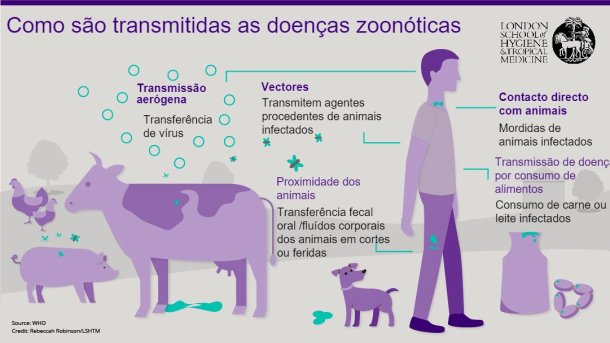
A possibilidade de infecção em humanos existe, mas ela é quase nula, segundo o chefe do Departamento de Defesa Sanitária e Inspeção Animal no Idaf. “Mesmo com o mormo sendo uma zoonose, ou seja, uma doença que possa ser passada ao ser humano, não existe, em todo o Brasil, nenhum registro dessa doença em humanos”, frisou.
Mesmo a possibilidade remota da infecção em humanos, Fabiano Rangel garantiu que foram tomados todos os procedimentos preventivos de quem está em contato com os animais. Os policiais que tiveram contato com os cavalos não manifestaram sintomas da doença. O Regimento da Polícia Montada conta com outros 121 animais que irão passar por exames, conforme um protocolo padrão do Estado.